
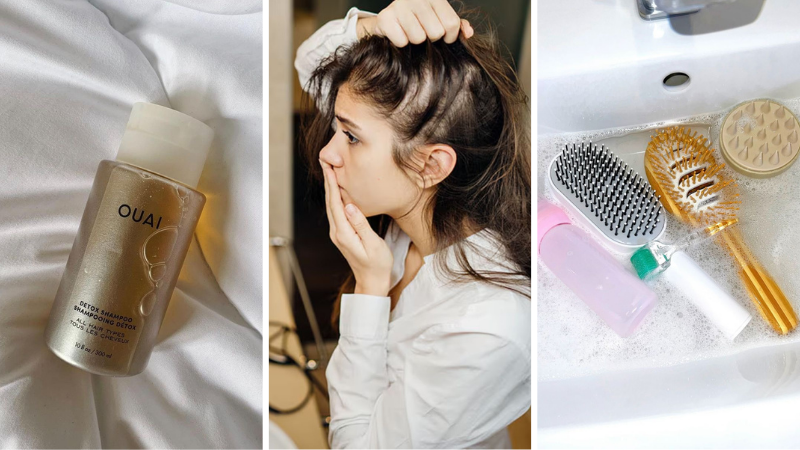
How to Get Rid of Oily Hair: The Complete Guide to Fresh, Clean Hair That Lasts Longer
Have you ever washed your hair only to find it looking greasy again by the end of the day? If you’re constantly reaching for dry shampoo, throwing your hair into a claw clip, or wondering why your roots never seem to stay fresh, you’re definitely not alone.
Oily hair is one of the most common beauty frustrations, and despite what you’ve probably heard, washing it more often isn’t always the answer. The truth is, there are several reasons your scalp might be producing excess oil, and understanding the root cause is the first step toward managing it.
I am diving into everything you need to know about oily hair—from what causes it and common mistakes that make it worse to the best products, ingredients, and habits that can help keep your hair looking cleaner for longer. Think of this as your go-to guide for finally getting oily hair under control.

What Causes Oily Hair?
Before we talk about how to fix oily hair, let’s talk about why it happens.
Your scalp naturally produces an oil called sebum. Sebum isn’t actually the enemy—it’s there to moisturize and protect your scalp and hair. Problems start when your scalp produces more sebum than necessary.
Several factors can contribute to oily hair:
Genetics
Sometimes oily hair is simply inherited. If your parents have naturally oily skin and hair, there’s a good chance you do too.
Hormonal Changes
Hormones play a major role in oil production. Puberty, menstruation, pregnancy, stress, and certain medications can increase sebum production and leave your hair feeling greasier than usual.
Overwashing
This one surprises a lot of people.
Washing your hair too often can strip away natural oils, causing your scalp to panic and produce even more oil to compensate. It’s a frustrating cycle that many women unknowingly get stuck in.
Product Buildup
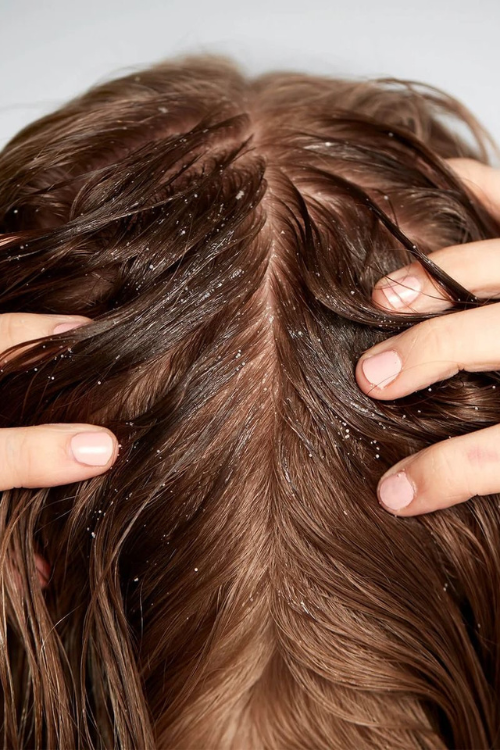
Heavy styling products, oils, and even dry shampoo can build up on your scalp over time, making your hair look greasy faster.
A simple fix? Use a The Ordinary’s glycolic acid toner as a pre-wash scalp treatment once a week. Apply it to your scalp 15–30 minutes before shampooing to help remove excess oil, dead skin cells, and product buildup. It’s an easy way to give your scalp a deeper clean and keep your roots fresher for longer.
Touching Your Hair Constantly
Every time you run your fingers through your hair, you’re transferring oil from your hands to your strands. If you’re a chronic hair twirler, this habit could be making your oily hair worse.
Diet and Lifestyle
While diet isn’t usually the sole cause of oily hair, highly processed foods, chronic stress, and poor sleep can contribute to hormonal fluctuations that affect oil production.
Signs You Have Oily Hair
Not sure if your hair is actually oily or just weighed down?
Here are some common signs:
- Hair looks greasy within 24 hours of washing
- Roots appear flat and limp
- Hair separates into oily sections
- Scalp feels greasy when touched
- Hairstyles lose volume quickly
- Frequent scalp itching
- Increased dandruff or scalp buildup
How to Get Rid of Oily Hair: 15 Effective Tips
1. Stop Washing Your Hair Every Single Day
It sounds counterintuitive, but daily washing can sometimes make oily hair worse.
Try gradually extending the time between washes. Start by adding one extra day between shampoo sessions and allow your scalp time to adjust.
2. Use a Clarifying Shampoo Once a Week
Product buildup can make oily hair look even greasier.
A clarifying shampoo helps remove excess oil, styling products, hard water minerals, and residue that regular shampoos often leave behind.
Just don’t use it every day, as over-clarifying can dry out your scalp.
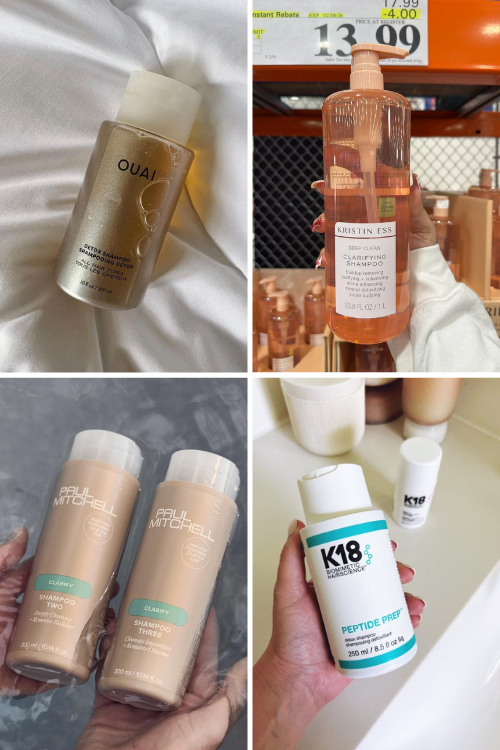
My Personal Recommendations:
- Ouai Detox Shampoo – Great for removing oil, hard water buildup, and styling product residue.
- Kristin Ess Deep Clean Clarifying Shampoo – Affordable and effective for weekly scalp resets.
- Paul Mitchell Shampoo Two – A cult favorite for very oily hair and greasy roots.
- K18 Peptide Prep Detox Shampoo – Deep cleans without leaving hair feeling stripped.
3. Double Shampoo Your Hair
If your hair gets greasy quickly, try shampooing twice.
The first wash breaks down oil and buildup. The second wash actually cleanses the scalp thoroughly.
This simple trick can significantly improve how long your hair stays fresh.
4. Focus Shampoo on Your Scalp
Your scalp is where the oil originates.
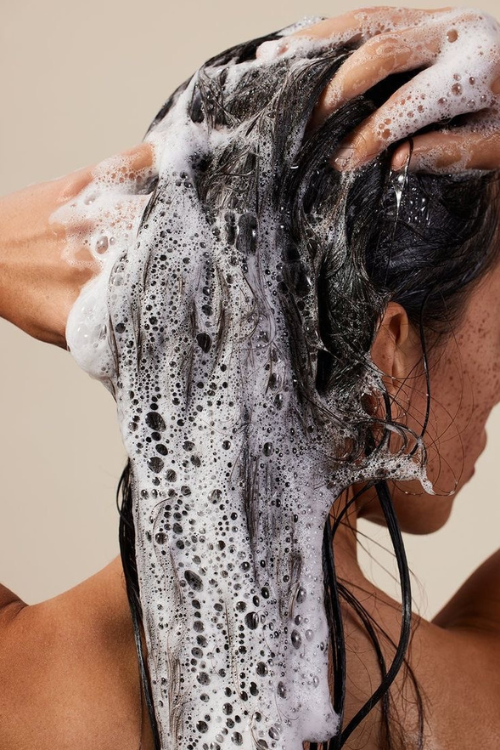
Massage shampoo into your roots and scalp, then let the lather cleanse the lengths as it rinses down. Scrubbing your ends too aggressively can dry them out unnecessarily.
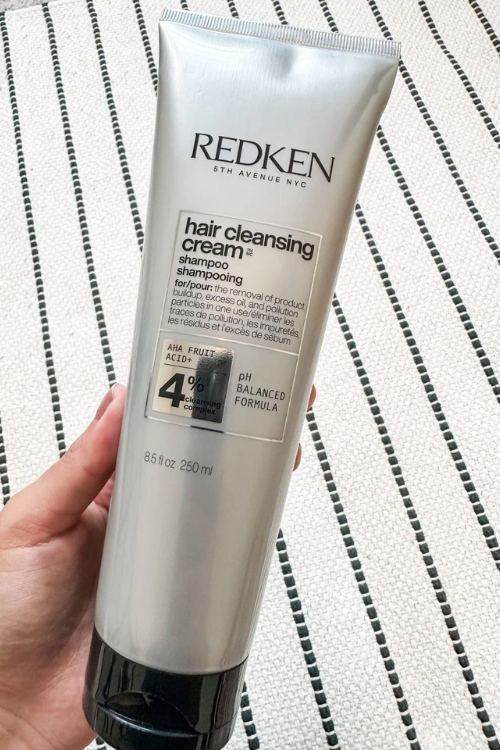
Or, you can use a scalp cleansing balm to help break down excess oil, product buildup, and impurities, leaving your scalp feeling cleaner, fresher, and better balanced.
I recommend Redken Hair Cleansing Cream.
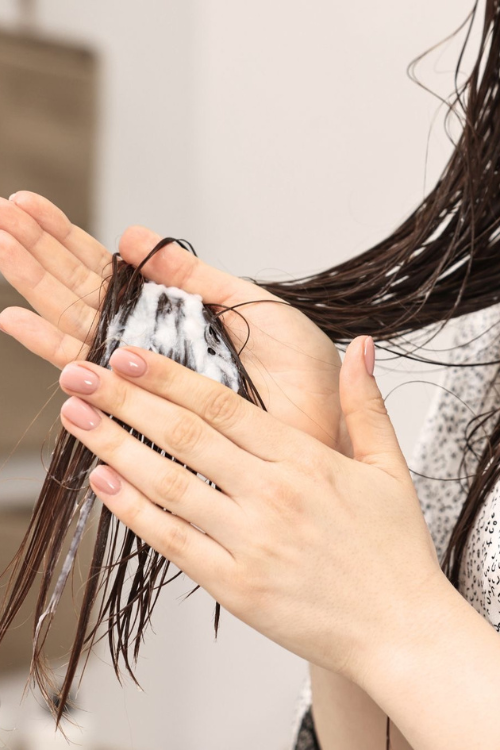
5. Apply Conditioner Correctly
One of the biggest mistakes women with oily hair make is applying conditioner all over their head.
Instead, apply conditioner only from mid-lengths to ends. Avoid your roots completely.
6. Invest in a Scalp Scrub
Think of it as skincare for your scalp.
A gentle scalp scrub can help remove dead skin cells, excess oil, and product buildup while promoting a healthier scalp environment.
Best Scalp Scrubs for Oily Hair
If your scalp gets greasy quickly, adding a scalp scrub to your routine once a week can help remove excess oil, product buildup, and dead skin cells.
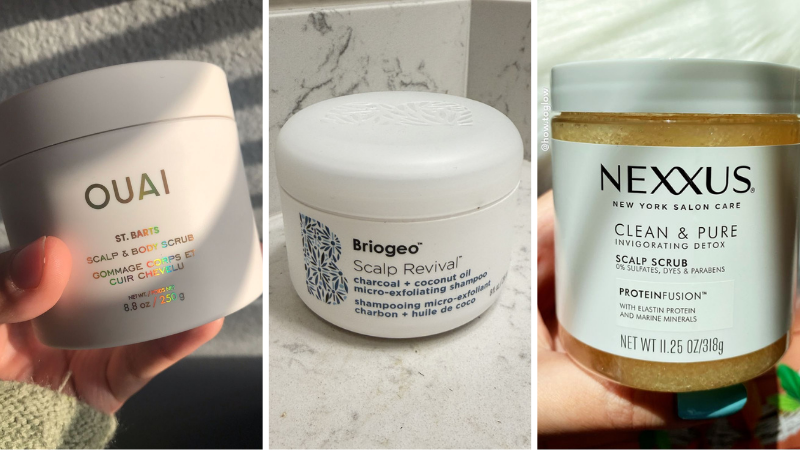
- OUAI Scalp & Body Scrub – A cult favorite that deeply cleanses while leaving your scalp feeling refreshed.
- Briogeo Scalp Revival Charcoal + Coconut Oil Micro-Exfoliating Shampoo – Great for oily scalps thanks to its charcoal-based formula.
- Nexxus Clean & Pure Scalp Scrub – Helps detoxify the scalp without over-drying your hair.
For best results, use a scalp scrub once a week and follow with your regular shampoo and conditioner.
7. Use Dry Shampoo Before Your Hair Gets Oily
Most people use dry shampoo after their hair already looks greasy.
The secret is applying it proactively.
Spray dry shampoo onto clean roots before bed or immediately after styling. It absorbs oil before it becomes visible.
8. Clean Your Hairbrush Regularly
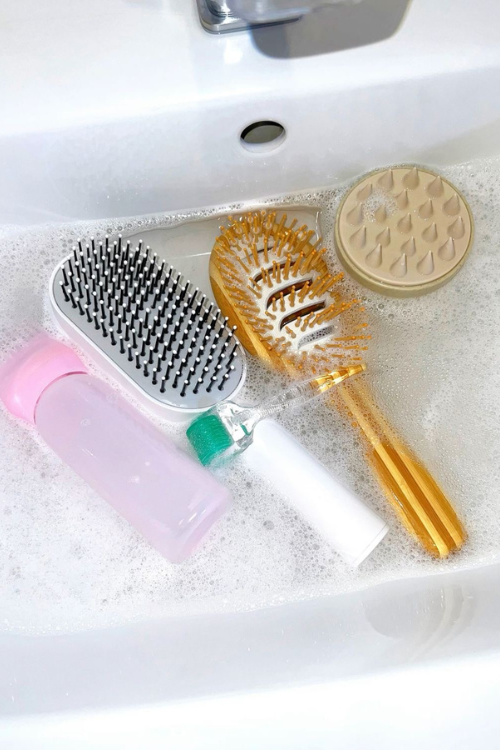
A dirty hairbrush can transfer old oil, dust, and product residue back onto freshly washed hair.
Aim to clean your brush at least once a week.
9. Stop Touching Your Hair
This sounds simple, but it makes a huge difference.
The less you touch your hair throughout the day, the less oil gets transferred from your fingers.
10. Check Your Shampoo Ingredients
If you have oily hair, look for:
- Salicylic Acid
- Tea Tree Oil
- Charcoal
- Niacinamide
- Zinc PCA
These ingredients help regulate excess oil and keep the scalp balanced.
The Best Ingredients for Oily Hair
When shopping for hair products, keep an eye out for:
Salicylic Acid
Helps dissolve excess oil and unclog hair follicles.
Tea Tree Oil
Provides a deep-cleansing effect while supporting scalp health.
Niacinamide
A skincare favorite that’s now becoming popular in scalp care for balancing oil production.
Clay and Charcoal
Excellent for absorbing excess oil and removing impurities.
Common Mistakes That Make Oily Hair Worse\
Even with the best intentions, these habits can sabotage your progress:
- Overwashing
- Applying conditioner to roots
- Sleeping on dirty pillowcases
- Using heavy oils on the scalp
- Constant heat styling
- Skipping scalp exfoliation
- Using too many styling products
Does Diet Affect Oily Hair?
Diet alone won’t magically cure oily hair, but it can influence scalp health.

Try prioritizing:
- Protein-rich foods
- Omega-3 fatty acids
- Fruits and vegetables
- Adequate hydration
Many women notice improvements when reducing highly processed foods and managing stress levels.
When Should You See a Dermatologist?
If your oily hair is accompanied by:
- Severe itching
- Excessive dandruff
- Redness
- Hair loss
- Painful scalp irritation
it may be worth consulting a dermatologist. Conditions such as seborrheic dermatitis or hormonal imbalances can sometimes mimic regular oily hair.
Frequently Asked Questions About Oily Hair
Why does my hair get oily after one day?
Your scalp may naturally produce more sebum, or you could be overwashing your hair, causing your scalp to overcompensate.
Is oily hair unhealthy?
Not necessarily. Oily hair often indicates an active scalp, but excessive oil can contribute to buildup and irritation if not managed properly.
Can oily hair be cured permanently?
There’s no permanent cure because oil production is influenced by genetics and hormones. However, the right routine can dramatically reduce excess oil.
Does brushing hair make it oily?
Excessive brushing can distribute scalp oils throughout the hair, making it appear greasier.
Final Thoughts
If you’ve been battling oily hair for years, here’s something important to remember: oily hair is manageable, even if it feels impossible right now.
The goal isn’t to completely eliminate your scalp’s natural oils. Healthy hair actually needs some oil. The real goal is balance—helping your scalp produce the right amount without leaving your roots looking greasy hours after washing.
Start with a few simple changes, be patient while your scalp adjusts, and focus on consistency rather than quick fixes. Over time, you’ll likely find that your hair stays cleaner, fresher, and easier to style than ever before.
Related Articles To Oily Hair
- Why Is My Hair Falling Out? Causes, Truths, and What Actually Helps
- 10 Overnight Beauty Tips That Actually Make a Difference (So You Wake Up Gorgeous)
- Your Foolproof Guide to The Ordinary Glycolic Acid 7% Toner (Without Messing Up Your Skin Barrier)
- 7-Step Magical Shower Routine That Gives You Spa Vibes Every Single Day
- 7 Wildly Good Glycolic Acid Benefits That Are Too Good to Gatekeep


monopoly big baller results yesterday india [url=http://monopolyy.live/]https://monopolyy.live/[/url]
monopoly big baller apk [url=monopolyy.live]https://monopolyy.live/[/url]
monopoly cards [url=https://www.monopolyy.live]https://monopolyy.live/[/url]
monopoly online game [url=https://www.monopolyy.live]https://monopolyy.live/[/url]
monopoly in india [url=https://www.monopolyy.live]https://monopolyy.live/[/url]