
The Ordinary Skincare Routine for Hyperpigmentation: The Only Guide You Need for Brighter, Even-Toned Skin
Ever Feel Like the Pimple Goes Away… But the Mark Decides to Stay?
Honestly, sometimes the breakout isn’t even the worst part.
The tiny dark spot it leaves behind? That can stick around for weeks—or even months—long after the pimple has packed its bags and left. Just when you think your skin is finally clearing up, you’re left trying to cover stubborn acne marks, sun spots, or uneven patches with concealer every morning.
If that sounds familiar, you’re definitely not alone.
Hyperpigmentation is one of the most common skincare concerns, and the good news is that it can improve with the right ingredients and a little patience. The keyword here is patience—because unlike overnight miracle products that promise instant results (we’ve all seen those ads), fading pigmentation is a slow and steady process.
If you’ve been eyeing The Ordinary because everyone on TikTok, YouTube, and Pinterest seems to swear by it, but the product names make you feel like you accidentally opened a chemistry textbook, don’t worry. I’ve got you.
In this guide, I’ll walk you through the best The Ordinary skincare routine for hyperpigmentation, explain exactly what each product does, how to layer everything correctly, and share a few tips that can help you get brighter, more even-looking skin without wasting money on products you don’t actually need.

First Things First… What Exactly Is Hyperpigmentation?
Before I start throwing serums at our face, it’s worth understanding what’s actually happening.
Hyperpigmentation is simply an area of skin that’s darker than the surrounding skin. It happens when your skin produces extra melanin, which is the pigment responsible for giving your skin its color.
The marks can appear for lots of different reasons, including:
- Acne marks (Post-Inflammatory Hyperpigmentation)
- Sun damage
- Hormonal changes (like melasma)
- Picking at pimples (guilty 🙋♀️)
- Skin injuries or irritation
The important thing to remember is that not all dark spots are the same. Acne marks, sun spots, and melasma can all look similar, but they don’t always respond to skincare in exactly the same way.
The routine we’re building today focuses on ingredients that are known to brighten pigmentation gently while keeping your skin healthy and balanced.
Why Is The Ordinary So Popular?
There’s a reason The Ordinary has become one of the biggest names in skincare.
Instead of spending money on fancy packaging or celebrity endorsements, the brand focuses on one thing: ingredients that actually work.
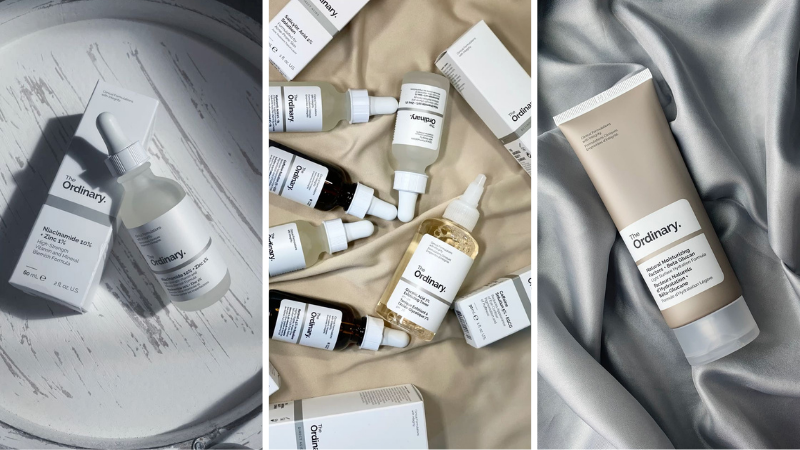
Their products are backed by science, surprisingly affordable, and designed around individual ingredients rather than flashy marketing claims. That’s why you’ll often see product names like Alpha Arbutin 2% + HA or Niacinamide 10% + Zinc 1% instead of catchy names that don’t tell you what’s inside.
Of course, the downside is that it can feel a little intimidating at first. When every bottle looks the same and every product name sounds like a chemistry lesson, it’s hard to know where to begin.
The good news? Once you understand what each ingredient does, The Ordinary becomes one of the easiest brands to build a skincare routine with.
Is The Ordinary Actually Worth It?
Short answer?
Yes.
Long answer?
Yes—but only if you’re buying products that match your skin concerns.
One of the biggest mistakes I see people make is buying every serum that’s trending on social media and layering them all together. More products don’t always mean better skin.
For hyperpigmentation, you don’t need ten different brightening serums.
You need a simple routine with ingredients that have actually been shown to help reduce dark spots over time.
And perhaps the most important product in your routine isn’t even a serum.
It’s sunscreen.
We’ll get to that in a minute.
Can The Ordinary Help Fade Hyperpigmentation?
Absolutely—but it’s important to have realistic expectations.
Hyperpigmentation doesn’t disappear overnight.
Even with the best skincare routine, most people need anywhere from 8 to 12 weeks of consistent use before they start noticing significant improvements.
The key is choosing ingredients that target excess melanin production while protecting your skin from developing new dark spots.
That’s exactly what this routine is designed to do.
Your Morning Routine
When it comes to treating pigmentation, your morning routine is all about protecting the progress you’re making.
Think of it this way.
Your evening routine works hard to fade dark spots, while your morning routine makes sure the sun doesn’t undo all that hard work.
Let’s start with the first step.
Step 1: Cleanse With The Ordinary Squalane Cleanser
A good skincare routine always starts with clean skin.
The Squalane Cleanser is one of those products that quietly does its job without making a big fuss. Instead of leaving your face feeling tight or stripped, it gently melts away oil, sunscreen residue, and overnight buildup while helping your skin stay hydrated.
That’s exactly what you want when you’re trying to treat hyperpigmentation.
A damaged skin barrier can actually make pigmentation harder to improve, so keeping your skin healthy should always be your first priority.
Why I Recommend It
- Gently removes dirt and oil
- Doesn’t strip the skin barrier
- Suitable for all skin types
- Perfect for daily use
Step 2: Alpha Arbutin 2% + HA (Your Brightening Hero)
If there were one product I’d tell almost everyone with hyperpigmentation to try, it would probably be Alpha Arbutin.
It’s one of The Ordinary’s best-selling serums for a reason.
Alpha Arbutin works by helping reduce excess melanin production, which means it gradually fades the appearance of acne marks, post-inflammatory hyperpigmentation, and sun spots without being harsh on the skin.
What I really like about this serum is that it’s gentle enough for daily use, unlike stronger exfoliating acids that can sometimes leave your skin irritated if you overdo them.
The added hyaluronic acid is a nice bonus because it helps keep your skin hydrated while you’re treating pigmentation.
Why I Recommend It
- Helps fade acne marks and dark spots
- Gentle enough for most skin types
- Hydrates while brightening
- Suitable for daily use
A Little Tip: Hyperpigmentation loves consistency. Even if you don’t notice dramatic changes after two weeks, keep going. This is one of those ingredients that rewards patience.
Step 3: Niacinamide 10% + Zinc 1%
If Alpha Arbutin is the star of this routine, Niacinamide is definitely the supporting actor that deserves more credit.
Not only does it help brighten post-acne marks over time, but it also strengthens your skin barrier, calms redness, and improves overall skin tone.
One of the reasons I love pairing Alpha Arbutin with Niacinamide is because they complement each other beautifully.
Instead of competing, they work as a team to help your skin look brighter and healthier over time.
If your hyperpigmentation is left behind from acne, this combination is especially effective.
Why I Recommend It
- Helps brighten uneven skin tone
- Reduces post-acne marks
- Supports the skin barrier
- Calms redness
Step 4: Moisturizer
One of the biggest skincare myths is that treating pigmentation means loading your skin with active ingredients.
Actually, hydration plays a huge role in keeping your skin healthy while those active ingredients do their job.
I’d recommend The Ordinary Natural Moisturizing Factors + PhytoCeramides if your skin leans dry or feels dehydrated.
If your skin is combination or slightly oily, the original Natural Moisturizing Factors + HA is more than enough.
A healthy skin barrier is always going to respond better to brightening treatments than an irritated one.
Step 5: Sunscreen (The Most Important Step)
I know… everyone says sunscreen is important.
But when it comes to hyperpigmentation, it genuinely is non-negotiable.
Here’s why.
Even if your brightening serums are doing an amazing job fading dark spots, daily UV exposure can trigger your skin to produce more melanin, making those same spots darker again.
It’s like taking two steps forward and one step back.
That’s why sunscreen is probably the most powerful anti-pigmentation product you’ll ever own.
Aim for SPF 30 or higher every single morning, even when it’s cloudy.
My Favorite Sunscreens
- Beauty of Joseon Relief Sun SPF 50+
- La Roche-Posay Anthelios UVMune 400
- EltaMD UV Clear SPF 46
Your future skin will thank you.
Your Evening Routine
If your morning routine is all about protecting your skin, your nighttime routine is where the real work begins.
While you’re sleeping, your skin naturally goes into repair mode. This is when it starts recovering from sun exposure, pollution, and everything else it dealt with during the day. It’s also the best time to use ingredients that help fade dark spots and even out your skin tone.
The goal isn’t to throw five different acids on your face and hope for the best. In fact, when it comes to hyperpigmentation, gentle and consistent almost always beats aggressive skincare.
Here’s the routine I’d recommend.
Step 1: Cleanse With The Ordinary Squalane Cleanser
Before your treatment products can do their job, they need a clean canvas.
The Ordinary Squalane Cleanser removes sunscreen, makeup, excess oil, and daily buildup without leaving your skin feeling stripped. That’s especially important because irritated skin can sometimes make hyperpigmentation look worse or take longer to fade.
If you’re wearing makeup, don’t be afraid to massage the cleanser into your skin for about a minute before rinsing. It does a surprisingly good job of breaking everything down.
Why I Recommend It
- Gently removes sunscreen and makeup
- Doesn’t dry out your skin
- Helps maintain a healthy skin barrier
- Suitable for daily use
Step 2: Alpha Arbutin 2% + HA
Yes, we’re using it again.
One of the reasons Alpha Arbutin is so popular is because it’s gentle enough to be used both morning and night.
Unlike stronger brightening ingredients that can sometimes irritate the skin, Alpha Arbutin works gradually by targeting excess melanin production. With consistent use, you’ll likely notice your dark spots becoming less noticeable and your overall complexion looking more even.
Don’t expect overnight miracles, though. Hyperpigmentation takes time to fade, and this serum is definitely a “trust the process” kind of product.
Why I Recommend It
- Targets acne marks and sun spots
- Gentle enough for daily use
- Works well with Niacinamide
- Suitable for beginners
Step 3: Niacinamide 10% + Zinc 1%
I know some people wonder if using Niacinamide twice a day is too much.
For most skin types, it isn’t.
Niacinamide is one of those ingredients that’s incredibly versatile. It helps reduce redness, supports the skin barrier, improves uneven skin tone, and works beautifully alongside Alpha Arbutin.
If your skin feels comfortable using it morning and night, there’s no reason to stop. If you notice any irritation, simply scale back to once a day.
Remember, skincare isn’t about following strict rules—it’s about listening to your skin.
Step 4: Moisturizer
After using brightening serums, it’s important to lock in hydration.
A good moisturizer doesn’t just make your skin feel soft—it helps strengthen your skin barrier so your treatment products can work without causing unnecessary irritation.
If your skin feels dry or tight after cleansing, don’t be afraid to apply a slightly more generous layer at night than you would during the day.
Sometimes your skin just needs that extra bit of nourishment.
Step 5: Azelaic Acid Suspension 10%
If I had to choose one underrated The Ordinary product for hyperpigmentation, this would probably be it.
Azelaic Acid doesn’t get nearly as much attention as ingredients like Vitamin C or retinol, but honestly, it deserves way more credit.
It helps brighten post-acne marks, improve uneven skin tone, calm redness, and gently smooth skin texture—all without being overly harsh.
That’s what makes it such a great option for people who want visible results but have skin that gets irritated easily.
The Ordinary’s Azelaic Acid Suspension has a lightweight cream texture, so I like using it as the last treatment step before moisturizer.
Why I Recommend It
- Helps fade post-acne pigmentation
- Brightens uneven skin tone
- Reduces redness
- Suitable for sensitive skin
- Gentle enough for regular use
Beauty Tip: Start by using Azelaic Acid three nights a week. Once your skin feels comfortable, you can gradually increase to every evening if needed.
One Product I’d Personally Add
If I could add just one extra product to this routine, it would be The Ordinary Multi-Peptide + Copper Peptides 1% Serum—but not because it fades pigmentation directly.
One thing people often forget is that healthy, resilient skin heals more efficiently.
Peptides help support your skin barrier, improve overall skin health, and work beautifully alongside brightening ingredients.
If your skin has been through a lot—whether it’s acne, irritation, or over-exfoliation—this serum can help strengthen it while the rest of your routine focuses on fading pigmentation.
It’s definitely optional, but it’s one of those products that quietly improves your skin over time.
The Ordinary Products Explained
Here’s a quick breakdown of every product in this routine and exactly what it does.
- Squalane Cleanser
- Gently removes makeup, sunscreen, and impurities.
- Cleanses without stripping the skin.
- Suitable for all skin types.
- Alpha Arbutin 2% + HA
- Helps fade dark spots and acne marks.
- Reduces the appearance of hyperpigmentation.
- Contains Hyaluronic Acid for added hydration.
- Safe for daily use.
- Niacinamide 10% + Zinc 1%
- Brightens uneven skin tone.
- Reduces redness.
- Strengthens the skin barrier.
- Helps improve post-acne marks.
- Natural Moisturizing Factors + HA
- Lightweight daily moisturizer.
- Helps prevent moisture loss.
- Great for combination and normal skin.
- Natural Moisturizing Factors + PhytoCeramides
- Richer moisturizer for dry skin.
- Supports the skin barrier.
- Keeps skin hydrated for longer.
- Azelaic Acid Suspension 10%
- Brightens pigmentation.
- Helps fade acne marks.
- Improves uneven texture.
- Reduces redness.
Which Products Work Well Together?
One of the reasons I like this routine so much is because every product complements the others.
✔ Squalane Cleanser + Alpha Arbutin
A gentle cleanser followed by a brightening serum is the perfect way to prepare your skin for the rest of your routine.
✔ Alpha Arbutin + Niacinamide
This is probably one of my favorite ingredient pairings. Together, they help tackle uneven skin tone while keeping the skin barrier happy.
✔ Niacinamide + Moisturizer
A simple but effective combination that helps reduce irritation and lock in hydration.
✔ Moisturizer + Azelaic Acid
If your skin is on the drier side, you can even sandwich Azelaic Acid by applying a thin layer of moisturizer before and after to make it more comfortable.
Which Products Shouldn’t You Mix?
The products in this routine are generally very beginner-friendly, so there aren’t any major ingredient conflicts.
However, if you decide to expand your routine in the future, keep these tips in mind:
- Avoid using strong exfoliating acids like Glycolic Acid on the same night as Azelaic Acid if your skin is sensitive.
- Don’t introduce multiple new active ingredients all at once.
- If you’re adding retinol later, alternate it with Azelaic Acid until you know how your skin responds.
Keeping your routine simple usually gives you the best results.
Common Mistakes That Can Make Hyperpigmentation Worse
Sometimes it’s not the products holding your progress back—it’s the habits.
A few of the biggest mistakes I see are:
- Skipping sunscreen because “it’s cloudy today.”
- Picking at pimples and making the marks darker.
- Switching products every two weeks.
- Using too many exfoliating acids.
- Expecting dark spots to disappear overnight.
- Applying only a tiny amount of sunscreen.
- Forgetting to reapply SPF when spending long hours outdoors.
Hyperpigmentation rewards patience more than anything else.
Stick with your routine, and your skin will thank you.
Frequently Asked Questions
How long does The Ordinary take to fade hyperpigmentation?
Most people start seeing noticeable improvements after 8–12 weeks of consistent use. Deeper pigmentation, like melasma, can take longer.
Can I use Alpha Arbutin every day?
Yes. It’s gentle enough to be used morning and night, making it one of the easiest brightening ingredients to incorporate into your routine.
Can Niacinamide and Alpha Arbutin be used together?
Absolutely. They complement each other beautifully and are one of the best ingredient combinations for uneven skin tone and post-acne marks.
Is Azelaic Acid good for acne marks?
Yes. Azelaic Acid is excellent for fading post-inflammatory hyperpigmentation, calming redness, and improving overall skin texture.
Do I really need sunscreen if I’m trying to fade pigmentation?
Yes—and honestly, it’s probably the most important product in your entire routine. Without sunscreen, UV exposure can make existing dark spots darker and encourage new pigmentation to form.
Can I use this routine if I have sensitive skin?
You can, but always patch-test new products first and introduce one product at a time. If your skin becomes irritated, simplify your routine and focus on hydration until it feels comfortable again.
Final Thoughts
Hyperpigmentation isn’t something that disappears overnight, and unfortunately, there’s no single serum that can magically erase dark spots in a week.
The good news is that with the right routine, a little patience, and daily sunscreen, your skin can absolutely become brighter and more even over time.
The Ordinary has made effective skincare much more accessible, but remember that you don’t need every product they sell. A handful of well-chosen products used consistently will always outperform an overflowing shelf of half-used bottles.
Be patient with your skin, celebrate the small improvements, and don’t forget to take progress photos every few weeks. Sometimes the changes happen so gradually that you don’t notice them until you look back—and that’s often the best reminder that your routine is working.



يوفر 888starz كازينو أونلاين شاملًا يضم آلاف الألعاب للاعبي مصر.
888 starz [url=https://888starzs20.com/]888 starz[/url]
يمكن تجربة معظم الألعاب في الوضع التجريبي قبل اللعب بأموال حقيقية.
يقدم 888starz ما يزيد عن مئتين وخمسين طاولة مباشرة تعمل بلا توقف.
يفضل كثير من اللاعبين ألعاب الكراش لسرعة جولاتها.
يعمل الدعم الفني 24/7 بالعربية عبر الدردشة المباشرة والبريد.