Why Is My Hair Falling Out? Causes, Truths, and What Actually Helps
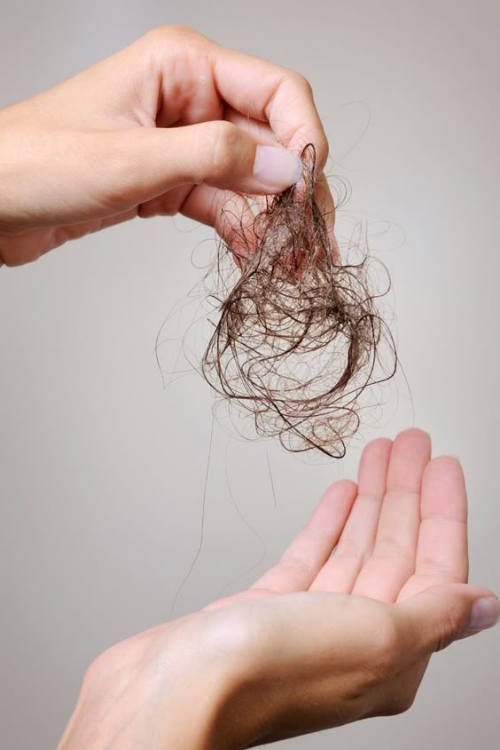
You notice it first in the shower drain. Then in your hair brush. Then in the mirror — a part that looks a little wider than you remember. If you’re between 20 and 35 and watching your hair thin out, you’re not imagining it, and you’re definitely not alone. Hair shedding at this age is increasingly common, and the frustrating part is that most articles either scare you into buying a $300 serum or tell you it’s “totally normal” without actually helping you do anything about it.
This post is the one I wish I’d found. I’m going to go through the real reasons your hair is shedding, the habits that are quietly making it worse, what ingredients and drugstore products are actually worth trying, and when it’s time to talk to a doctor.
Why Is This Happening? The Real Causes of Hair Loss in Your 20s & 30s
Hair loss in young women is almost always tied to one or more identifiable triggers — not just “genetics.” Here are the most common culprits to know about.
Iron Deficiency & Low Ferritin
This is the #1 overlooked cause in women your age, especially if you have heavy periods. Your ferritin levels (stored iron) need to be above 40 ng/mL for hair to grow properly — most standard blood panels don’t flag it until it’s critically low. Always ask your doctor to test ferritin specifically.
Thyroid Dysfunction
Both hypothyroidism (underactive) and hyperthyroidism (overactive) can cause diffuse hair shedding all over the scalp. The shedding often appears 2–3 months after the thyroid problem begins, which makes it hard to connect the dots. A simple blood test (TSH, T3, T4) can rule this out.
Telogen Effluvium (Stress Shedding)
This is the most common type of sudden hair loss in women. After a significant stressor — illness, surgery, emotional shock, crash dieting, or even COVID — your hair follicles enter a “resting phase” all at once, and you shed en masse 2–4 months later. The good news: it usually reverses once the trigger is resolved.
Hormonal Imbalances (PCOS, Post-Pill)
PCOS raises androgens (male hormones) which can shrink hair follicles at the hairline and temples. Coming off hormonal birth control can also trigger a temporary shed as your hormone levels rebalance — this typically resolves within 6–12 months but can be alarming.
Nutritional Gaps
Crash diets, restrictive eating, veganism without supplementation, or simply not eating enough protein can all trigger shedding. Hair is made of keratin (a protein), and your body will deprioritize hair growth when nutrients are scarce. Zinc, Vitamin D, and B12 are the most commonly deficient.
Scalp Health Issues
An inflamed, oily, or fungally compromised scalp creates an unfriendly environment for hair growth. Seborrheic dermatitis and scalp buildup from heavy products can clog follicles and slow growth. A healthy scalp is the foundation — everything else builds on top of it.

Heat & Chemical Damage
Daily flat ironing, bleaching, and tight hairstyles cause breakage that mimics hair loss — your hair is actually snapping off at the shaft, not falling from the root. This is different from true hair loss but looks and feels the same in the brush.
Medications
Certain medications — including some antidepressants, acne medications (like Accutane), blood thinners, and even high doses of Vitamin A — can cause hair shedding as a side effect. Don’t stop any medication without speaking to your doctor first, but do mention hair loss at your next appointment.
The honest truth: If your hair loss is sudden, severe, or accompanied by other symptoms (fatigue, weight changes, irregular periods, scalp pain), please get blood work done before spending money on products. A shampoo cannot fix a ferritin deficiency or a thyroid issue. Know your baseline first.
Stop Doing These Things First
Some of the most common haircare habits are actively making shedding worse. Before you add anything to your routine, audit what’s already in it.
- Daily heat styling without protection. Flat irons, curling wands, and blow dryers above 180°C damage the hair’s cuticle and cause breakage. If you can’t cut heat out, use a quality heat protectant every single time and keep temperatures at or below 180°C (350°F).
- Tight hairstyles worn every day. Ponytails, buns, and braids that pull constantly at the hairline cause traction alopecia — hair loss that starts at the edges and temples. It can become permanent if you ignore it for years. Give your scalp rest days with loose styles.
- Harsh sulfate shampoos on a dry or sensitive scalp. Sulfates strip the scalp’s natural oils and disrupt the moisture barrier. For an already inflamed or sensitive scalp, this makes things worse. You don’t need to go fully “no-poo” — just switch to a gentler formula.
- Brushing wet hair aggressively. Wet hair is at its most elastic and vulnerable. Ripping a brush through knots causes massive breakage. Use a wide-tooth comb or a wet brush, always detangle starting from the ends working upward, never root-to-tip.

- Crash dieting or extreme calorie restriction. When you drop calories drastically, your body goes into survival mode and cuts off resources to “non-essential” functions — hair growth is one of the first to go. The shedding usually shows up 3 months after the diet, which confuses people. Slow, sustainable eating is better for your hair (and everything else).
- Skipping scalp care entirely. Most people condition their lengths and ignore their scalp. Product buildup, excess oil, and dead skin cells can gradually suffocate follicles. Think of your scalp like skin — it needs regular cleansing and occasional exfoliation too.
- Washing with very hot water. Hot water opens the cuticle, strips moisture, and can irritate an already reactive scalp. Rinse your hair with cool-to-lukewarm water — it also makes your hair shinier by laying the cuticle flat.
Small Daily Habits That Actually Help
These aren’t dramatic overhauls — they’re small, consistent things that compound over months and genuinely move the needle.
Stay properly hydrated – Hair is about 25% water. Chronic dehydration makes strands brittle, slows growth, and dries out the scalp. Aim for 2+ litres a day — it sounds basic because it is, but most people don’t actually do it.
Prioritize protein at every meal – Hair is made of keratin (a protein). If you’re not eating enough — especially on plant-based diets — your body will sacrifice hair growth. Aim for at least 60–80g of protein daily from eggs, legumes, meat, fish, or Greek yogurt.
Protect your hair at night – Cotton pillowcases create friction and pull at strands while you sleep. Switch to a silk or satin pillowcase (or wrap your hair in a silk scarf). This is especially impactful for textured or fine hair.

Scalp massage — 5 minutes daily Consistent scalp massage (with fingertips or a scalp tool) improves circulation to the follicles. A small Japanese study found that 4 minutes of daily scalp massage over 24 weeks measurably increased hair thickness. It’s free and takes no time in the shower.
Check your Vitamin D levels – Vitamin D deficiency is extremely common (especially in Canada) and is directly linked to hair cycling. Ask your doctor to test your levels — supplementing when deficient has been shown to reduce shedding.
Manage stress actively – Cortisol — your stress hormone — directly disrupts the hair growth cycle. You can’t out-supplement a chronically stressed body. Even 10 minutes of walking, breathwork, or journaling daily helps regulate cortisol over time.
Ingredients Worth Seeking Out (And a Few to Question)
The ingredient label matters more than the marketing. Here’s what to actually look for:
Ingredients with real backing
Minoxidil (2–5%)Rosemary Oil Caffeine Niacinamide Saw PalmettoRedensyl™Zinc GluconatePeptides (Capixyl, Procapil)
Ingredients that are nice but more supportive
Biotin (topical)Castor OilKeratinPanthenol (B5)Hyaluronic Acid
A quick note on biotin: oral biotin supplements are vastly overhyped for hair growth. They only help if you have a true biotin deficiency (which is actually rare). More importantly, high-dose biotin can interfere with thyroid blood tests, giving a false normal — which could mask a real problem. Don’t take high doses without telling your doctor.
The rosemary oil evidence is genuinely exciting: A well-cited 2015 clinical trial found that rosemary oil applied to the scalp performed as well as 2% minoxidil for androgenetic hair loss after 6 months — with less scalp itching. It works by improving microcirculation. It’s not a miracle, but it has the strongest natural evidence of anything in the hair growth space.Part Five — The Honest Drugstore Guide
Products Available in Canada & USA Worth Trying
These are genuinely accessible at Shoppers Drug Mart, Walmart, Pharmaprix, CVS, Target, or online. I’m being real with you about what each one does — and doesn’t do.
Shampoos
Nioxin System 1 or 2 Shampoo + Scalp Therapy


One of the few hair-thinning shampoo lines with actual clinical backing. The system contains niacinamide, biotin, and peppermint, and it works primarily by clearing scalp buildup and creating a healthier follicle environment. It doesn’t regrow hair on its own, but it consistently improves scalp health, which is the foundation for everything else. System 1 is for fine, non-color-treated hair with mild thinning; System 2 is for color-treated hair. The tingle is real and satisfying.
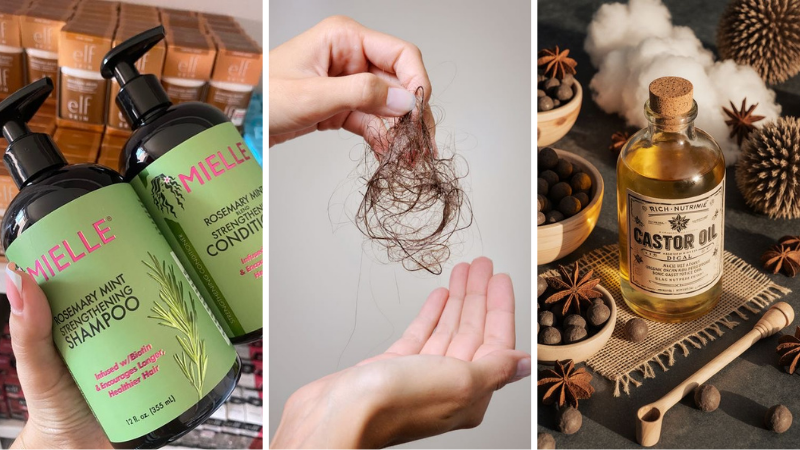
Mielle Organics Rosemary Mint Strengthening Shampoo & Conditioner

Originally a cult favourite in the textured hair community and now widely available. The rosemary mint formula is genuinely pleasant to use, sulfate-free, and the biotin infusion gives strands a little extra body. It won’t regrow hair but it reduces breakage, which is often mistaken for hair loss. Great for everyday washing if you have a sensitive scalp. The conditioner is particularly good at detangling without weighing hair down. Honest caveat: the mint can be sensitizing for very reactive scalps.
PURA D’OR Anti-Thinning Biotin Shampoo (Gold Label)

This one is well-liked and widely recommended, and it’s fine — but I’ll be honest with you: it leans heavily on the biotin marketing. The formula is sulfate-free and the ingredient list includes saw palmetto and nettle extract which have some DHT-blocking properties. It’s a gentle, decent shampoo that supports scalp health, but it won’t produce dramatic regrowth results on its own. Best used as part of a broader routine rather than a standalone solution. Does smell lovely and leaves hair feeling clean without stripping it.
Scalp Serums & Treatments
The Ordinary Multi-Peptide Serum for Hair Density

This is genuinely the best value product in the drugstore-to-mid-range hair space right now. At around $20–25 CAD, it contains a serious lineup of actives: Redensyl™ (shown to reduce stem cell death and activate the growth phase), Procapil™, Capixyl™, AnaGain™, and caffeine. Multiple independent reviewers and editors who tested it over 8+ weeks reported above-average hair growth — one PureWow editor measured her hair growing at nearly twice her normal monthly rate. It’s fragrance-free, lightweight, non-greasy, and absorbs within minutes. Works best for early-stage thinning and stress/hormone-related shedding. Not a solution for advanced or genetic hair loss, and results require at least 90 days of consistent nightly use.
Rogaine Women’s 5% Minoxidil Foam

Minoxidil is the only topically applied, FDA-approved ingredient proven to regrow hair. If you have female-pattern hair loss (diffuse thinning on the top/crown of the scalp), this is the most clinically proven over-the-counter option that exists. The women’s 5% foam is easy to apply and dries quickly. The honest downsides: you need to use it indefinitely (hair loss returns if you stop), some women experience initial increased shedding in the first few weeks (completely normal — it’s the old hair making way), and in rare cases it can increase fine facial hair. But if your shedding is genetic or pattern-related, nothing in this list will outperform it.
Nioxin Fall Defense Intensive Leave-In Treatment

A daily leave-in scalp treatment that tackles shedding from a different angle — it contains Sandalore™ (a synthetic sandalwood scent compound that activates olfactory receptors in hair follicles, shown in clinical studies to extend the growth phase), caffeine, niacinamide, and lauric acid. Clinical data suggests users see reduced hair in their brush within 4–6 weeks and stronger hair anchorage over 8 weeks. It won’t magically generate new follicles, but it does a solid job at reducing active shedding. The fragrance is strong, which is the main complaint — if you’re scent-sensitive, take note.
Oils
Pure Rosemary Oil (diluted in carrier oil)
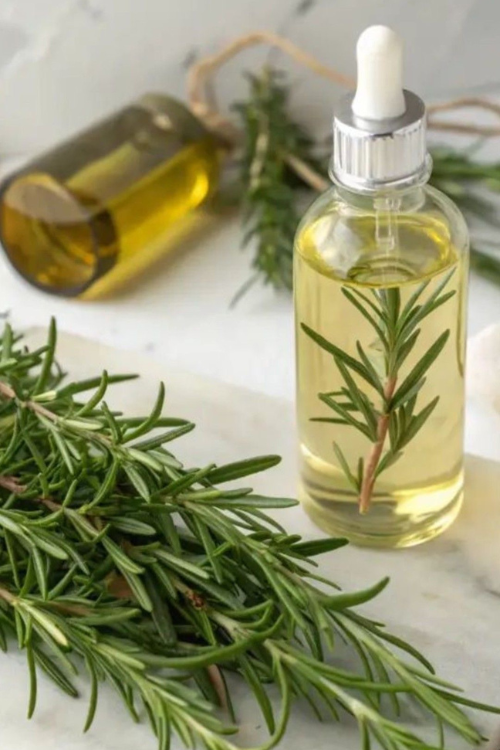
The science on rosemary oil is more solid than almost any other natural remedy — a clinical trial compared it directly to 2% minoxidil and found comparable results at 6 months with significantly less scalp irritation. You can buy 100% rosemary essential oil, mix 5–6 drops into a tablespoon of jojoba or coconut oil, and massage into the scalp a few times a week. Leave it on for at least 30 minutes before washing. This works because it improves scalp circulation and has mild anti-androgenic properties. Never apply undiluted essential oil directly — it can cause burns and irritation.
Castor Oil (Jamaican Black or Regular)

Castor oil is beloved on the internet and genuinely useful — not for hair growth specifically, but for scalp conditioning, reducing dryness, and adding thickness to strands by coating the shaft. The ricinoleic acid in castor oil has mild anti-inflammatory properties that can soothe an irritated scalp. The evidence for actual follicle stimulation is mostly anecdotal, so don’t expect dramatic regrowth. It is very thick and sticky — mix it with a lighter carrier oil (jojoba, argan) before applying, or it will be impossible to wash out. Apply to the scalp and lengths before washing. One caution: don’t use too much or too frequently if you have oily roots, as it can worsen sebum buildup.
Supplements Worth Mentioning
Hair Growth Supplements (Biotin + Multi-ingredient)
Nutrafol and Viviscal are the two most clinically studied hair supplement brands available in Canada and the US. They’re not drugstore-cheap (~$90–100 CAD/month), but they have more legit clinical data behind them than most other supplements. Nutrafol’s Women’s formula contains ashwagandha, saw palmetto, marine collagen, and Synergen Complex, targeting stress-related and hormonally driven shedding specifically. Viviscal relies on its proprietary marine protein complex (AminoMar). Both need a minimum of 3–6 months to show results. If cost is a barrier, a basic omega-3 + Vitamin D supplement covers a lot of the same nutritional ground for a fraction of the price, especially if you know you’re deficient. Always check with your doctor or pharmacist before starting new supplements — especially if you’re on any medications.
The Pantene Pro-V Miracles Abundant & Strong System: My Honest Take
I want to give this range its own dedicated spotlight because I’ve personally used all three products and the difference in my hair and scalp was noticeable — and I don’t say that lightly. This is a complete three-step system, and it works best when you use all three together rather than picking just one. Here’s what each product actually does, what’s in it, and what to expect.
What makes this system different from most drugstore options: Most hair loss shampoos target either breakage or shedding. The Abundant & Strong range addresses both simultaneously — and it does it through a genuinely novel angle: scalp oxidative stress. Research published in the International Journal of Cosmetic Science found that free radicals from UV exposure and environmental stress loosen the scalp’s structural hold on hair roots, leading to increased shedding. Pantene’s formula directly targets this mechanism. That’s what makes it stand out scientifically from most drugstore competitors.
Pantene Pro-V Miracles

Step 1 Abundant & Strong Shampoo
Key ingredients: Pro-Vitamin B5 (Panthenol), Niacinamide (Vitamin B3), Piroctone Olamine — all three working together as an antioxidant trio to reduce scalp oxidative stress. The formula also contains sodium laureth sulfate as the primary cleanser, which gives it a satisfying lather, but it’s balanced enough that it doesn’t strip the scalp dry the way harsher sulfate shampoos can.
What it actually does: The shampoo cleanses while simultaneously reducing free radical damage at the scalp surface — which, over time, strengthens the scalp’s grip on your hair roots. You won’t feel it working dramatically on the first wash, but after consistent daily use the scalp feels more balanced and less irritated. I noticed my scalp felt cleaner for longer between washes, which meant I was handling my hair less — a bonus in itself.
My honest experience: I was skeptical about a drugstore shampoo actually impacting shedding, but within two to three weeks of daily use I noticed significantly less hair wrapping around my fingers during washing. The lather is generous without feeling stripping, and it rinses clean. If you colour your hair, it’s gentle enough not to cause premature fading.
Step 2 Abundant & Strong Conditioner
Key ingredients: The same Pro-Vitamin B5 Complex and Niacinamide base, with additional conditioning agents including dimethiconol (a lightweight silicone that smooths the cuticle without excessive buildup) and panthenol, which penetrates the hair shaft and helps it retain moisture and elasticity.
What it actually does: While the shampoo and serum tackle shedding from the scalp side, the conditioner works on the strand side — it reinforces each hair’s internal structure so it resists snapping during detangling, heat styling, and daily friction. Hair loss due to breakage is one of the two major drivers the system targets, and this is the product handling that. You leave it on for 1–3 minutes and rinse — simple, no fancy technique required.
My honest experience: This is where I noticed the most immediate visual difference. After the first use, my hair felt noticeably smoother and more manageable. Detangling went from being a tug-of-war to effortless — which meant I was causing far less mechanical breakage when brushing. Over weeks of use, my strands felt genuinely stronger and less prone to snapping at mid-lengths. For anyone with dry, processed, or heat-damaged hair, this conditioner is a standout. I’ve tried far more expensive conditioners that did less.
Step 3 Daily Scalp & Root Serum

Key ingredients: The same antioxidant trio (Pro-Vitamin B5, Niacinamide, Piroctone Olamine) in a concentrated leave-in dropper format, designed to deliver the active ingredients directly to the scalp where they’re needed most. The serum is water-based, lightweight, and completely non-greasy.
What it actually does: This is the star of the system and where the most significant clinical results come from. You part your hair into 4–5 sections, apply one full dropper per section along the scalp line, and massage it in. You do not rinse it out. It provides ongoing antioxidant protection at the follicle level throughout the day. Clinical data behind the system found that after 8 weeks of use with all three products, users retained over 6,000 more strands at the root compared to baseline — and 85% noticed less hair loss due to breakage within 4 weeks. The cooling, tingling sensation when you apply it (similar to a minty freshness) is because the formula is designed to signal full scalp coverage — it’s not a gimmick, it’s functional.
My honest experience: This serum converted me completely. I was bracing for the greasy, heavy feeling I’ve had with other scalp serums — instead it absorbed within minutes and left zero residue. My hair looked no different at the root immediately after. But by week three, the amount of hair coming out in my brush in the mornings had dropped dramatically. I can’t say it gave me new baby hairs (I didn’t have significant hair loss, more shedding and thinning), but the existing shedding became noticeably less distressing. I now use this every morning as a non-negotiable part of my routine on both wet and dry hair days.
How to Use the Full System (The Right Way)
The biggest mistake people make with this range is using it inconsistently or skipping the serum. Here’s exactly how to get the most out of it:
- 1️⃣Shampoo daily or every other day. Massage into the scalp (not just the lengths) for at least 60 seconds before rinsing. The longer contact time lets the antioxidant actives do their work at the root zone. Don’t pile hair on top of your head — let it hang naturally to avoid tangling.
- 2️⃣Apply conditioner to mid-lengths and ends only, not the scalp. Leave it on for the full 1–3 minutes — this matters. Use a wide-tooth comb to gently distribute while it’s on. Rinse with cool water to seal the cuticle.
- 3️⃣Apply the serum last, every single day — whether you washed your hair that day or not. Part into 4–5 sections and apply one dropper-worth per section directly onto the scalp line. Massage in gently with your fingertips. Do not rinse. Style as normal. You can apply it to dry hair on non-wash days too — just go a little lighter with the amount.
- Give it a full 8 weeks before you evaluate results. The clinical study showing 6,000 more strands retained was based on 8 weeks of consistent use. You’ll likely notice less shedding around week 3–4, but the deeper scalp improvements take longer to show.
Who will benefit most from this system: Women experiencing stress-related shedding (telogen effluvium), hormone fluctuation shedding, or general diffuse thinning with no major underlying medical cause. It’s also excellent for anyone whose shedding is driven by scalp inflammation or oxidative stress from environmental exposure (pollution, UV, hard water). It is not a replacement for medical treatment if your hair loss is driven by a diagnosed condition — but as a daily maintenance system for scalp health and reducing everyday shedding, it punches well above its price point. Available across Canada at Shoppers Drug Mart, Walmart, and online at Amazon.ca.Part Six
When to Actually See a Doctor
Products can support a healthy scalp and reduce breakage. They cannot fix an underlying medical issue. Please see a dermatologist or your GP if you notice any of the following:
- ⚠️Hair loss that is patchy, circular, or comes in clumps rather than diffuse shedding all over
- ⚠️Scalp itching, flaking, redness, or pain accompanying the hair loss
- ⚠️Loss of more than ~100–150 strands per day for longer than 3 months
- ⚠️Hair loss alongside fatigue, weight changes, irregular periods, or mood shifts
- ⚠️A noticeable receding hairline at the temples or widening part that keeps progressing
- ⚠️Any products that cause scalp irritation, burning, or make shedding noticeably worse
Ask your doctor to run a full panel including: ferritin, serum iron, full thyroid panel (TSH + T3 + T4), Vitamin D, B12, zinc, and a full blood count. This gives you a complete picture before investing in any products or treatments.
The Bottom Line
Start with your scalp — clean, nourished, and healthy. Add The Ordinary Multi-Peptide Serum or diluted rosemary oil as your first topical step. Choose a gentle sulfate-free shampoo like Mielle or Nioxin. Eat enough protein, sort your Vitamin D, and manage stress even imperfectly. Give any routine a minimum of 90 days before judging results. If shedding is severe or persistent, see a doctor before reaching for a product. Hair responds to consistency and patience — not panic purchases. You’ve got this.