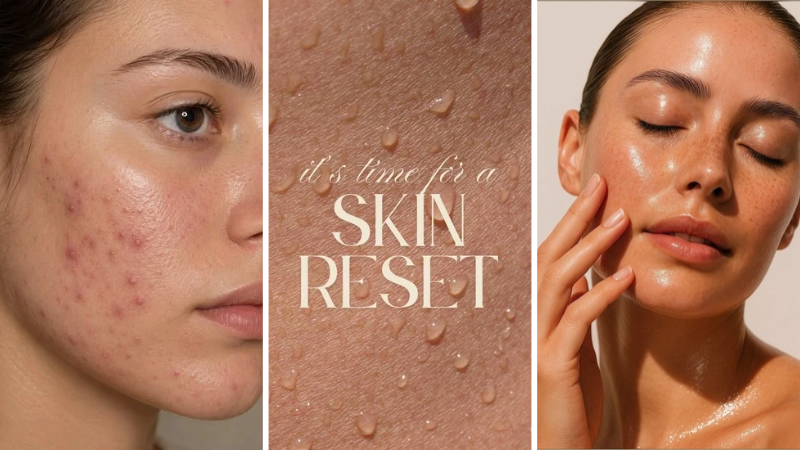
How to Get Clear Skin: The Ultimate Guide to Smooth, Healthy & Glowing Skin
Getting clear skin sounds simple until your skin decides to have a personality of its own. One week it’s tiny bumps, the next it’s stubborn acne, redness, uneven texture, or pores that suddenly seem impossible to ignore. And don’t even get me started on trying to figure out which skincare product is actually worth your money.
But here’s the thing: beautiful skin isn’t about having a shelf full of expensive products or following every trending skincare hack. It’s about understanding your skin, giving it the right care, and knowing which habits are helping (or quietly making things worse). So, let’s break down how to get that healthy, smooth-looking skin without turning skincare into a second job.
1. First, Understand Your Skin Type
Before investing in skincare products, you need to understand your skin type. Why? Because the same product can work beautifully for one person and cause irritation or breakouts for another.
Your skin type is largely determined by genetics, oil production and other biological factors. It can also change with age, hormones, climate and lifestyle.
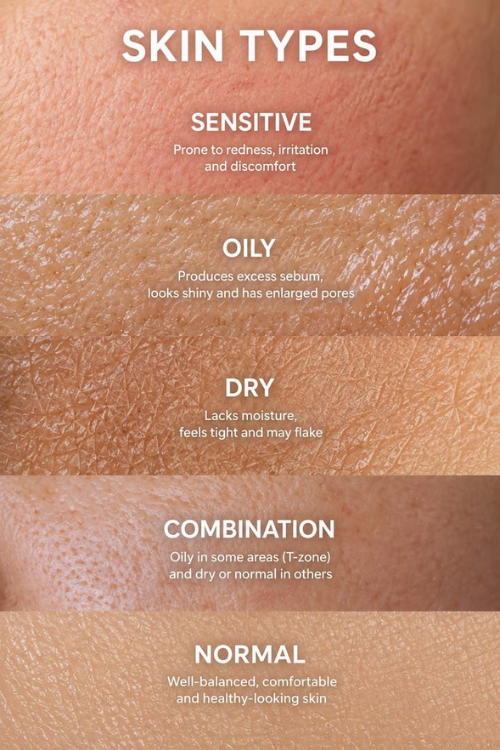
Normal Skin
Normal skin is generally well-balanced. It isn’t excessively oily or particularly dry, and it usually has a relatively comfortable feel throughout the day.
Common characteristics:
- Balanced oil production.
- Minimal dryness or excessive shine.
- Relatively smooth skin texture.
- Occasional breakouts.
- Less frequent sensitivity.
Skincare tip: Maintain your skin barrier with a gentle cleanser, lightweight moisturiser and daily sunscreen. Don’t overcomplicate a routine that is already working.
Oily Skin
Does your face look shiny just a few hours after washing it? Do you frequently experience clogged pores, blackheads or acne? You might have oily skin.
Oily skin produces excess sebum, which can mix with dead skin cells and contribute to clogged pores and breakouts.
Common characteristics:
- Excess shine, particularly around the forehead, nose and chin.
- Enlarged-looking pores.
- Frequent blackheads and whiteheads.
- Increased likelihood of acne.
- Makeup that tends to become greasy throughout the day.
Skincare tip: Look for lightweight, non-comedogenic products. Ingredients such as salicylic acid and niacinamide can help manage excess oil and clogged pores.
Remember, having oily skin doesn’t mean you should skip moisturiser. Dehydrated oily skin is still dehydrated skin!
Dry Skin
Dry skin produces less natural oil, which can leave it feeling tight, flaky or uncomfortable.
If your skin feels stretched after cleansing, looks dull or develops dry patches, you may have dry skin.
Common characteristics:
- Flakiness and rough patches.
- Tightness after washing.
- Less visible surface oil.
- Fine lines that appear more noticeable when dehydrated.
- Increased sensitivity to harsh products.
Skincare tip: Choose moisturisers containing ceramides, glycerin, hyaluronic acid and squalane. Avoid harsh cleansers and excessive exfoliation.
Combination Skin
Combination skin is exactly what it sounds like: a combination of different skin types.
Typically, the T-zone (forehead, nose and chin) produces more oil, while the cheeks may feel normal or dry.
Common characteristics:
- An oily forehead and nose.
- Dry or normal cheeks.
- Occasional breakouts around the T-zone.
- Different areas requiring different products.
Skincare tip: Use lightweight hydration throughout your face and introduce targeted treatments only where needed.
Sensitive Skin
Sensitive skin is more reactive than other skin types. It may become irritated by certain ingredients, fragrances, environmental changes or even products that are generally considered gentle.
Common characteristics:
- Frequent redness.
- Burning or stinging sensations.
- Itching and irritation.
- Reactions to new skincare products.
- A tendency to develop dry or inflamed patches.
Skincare tip: Keep your routine minimal. Choose fragrance-free products, prioritise barrier repair and introduce new ingredients slowly.
Important: Sensitive skin is not necessarily a separate oil-production category. You can have oily, dry or combination skin that is also sensitive.
2. Understanding Different Skin Textures: Why Doesn’t Your Skin Feel Smooth?
You might not have active acne, but your skin still doesn’t look or feel as smooth as you’d like. Maybe your foundation sits unevenly, your cheeks have tiny bumps or your forehead looks rough under natural lighting.
The truth is that clear skin doesn’t automatically mean smooth skin.
Your skin naturally has pores, fine lines and some texture. Completely poreless skin isn’t realistic. However, you can improve uneven texture and achieve a smoother, healthier-looking complexion.
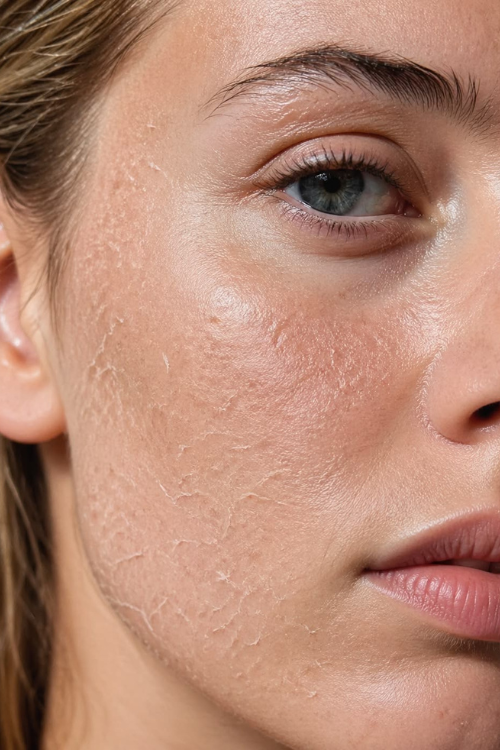
Rough and Uneven Skin Texture
Rough skin can feel bumpy or slightly sandpaper-like, especially when you run your fingers across your cheeks or forehead.
Possible causes:
- Accumulation of dead skin cells.
- Dehydration.
- Over-exfoliation.
- Dryness.
- Sun damage.
What helps: Gentle exfoliation, consistent moisturising and daily sunscreen. Ingredients such as lactic acid can help improve surface roughness when introduced carefully.
Tiny Bumps on the Forehead and Cheeks
Those tiny bumps that never seem to disappear can be particularly frustrating.
They may be closed comedones, which develop when pores become clogged with oil and dead skin cells. However, not every tiny bump is acne.
Other possibilities include milia, folliculitis and irritation.
What helps: Salicylic acid may help with clogged pores. Avoid heavy products that you suspect are contributing to congestion. If bumps are itchy, uniform or persistent, consult a dermatologist rather than assuming they’re ordinary acne.
Enlarged Pores
First things first: pores are completely normal. They are tiny openings that release sebum and sweat.
However, they can appear more noticeable when excess oil, clogged pores, ageing or sun damage affect the surrounding skin.
What helps:
- Salicylic acid for clogged pores.
- Niacinamide to support skin barrier function and improve the appearance of oily skin.
- Retinoids to improve skin texture over time.
- Daily broad-spectrum sunscreen.
You cannot permanently close or eliminate your pores, but you can make them look less noticeable.
Dull and Dehydrated Skin
Sometimes, your skin doesn’t look unhealthy because of acne. It simply looks tired, dull and lacking hydration.
Dehydrated skin lacks water, whereas dry skin generally lacks oil. Even oily skin can become dehydrated.
What helps: Glycerin, hyaluronic acid, ceramides and a good moisturiser. Apply hydrating products to slightly damp skin and seal them in with moisturiser.
Acne Marks and Uneven Skin Tone
Once a breakout disappears, it can leave behind dark spots or reddish marks.
These are often post-inflammatory hyperpigmentation (PIH) or post-inflammatory erythema (PIE).
PIH appears brown or darker than your natural skin tone, while PIE appears pink or red.
What helps: Azelaic acid, niacinamide and retinoids may help improve certain types of post-acne marks. Sunscreen is essential because UV exposure can make pigmentation more persistent.
Remember that indented or raised acne scars are different from temporary acne marks and may require professional treatment.
3. Why Is Your Face Red? Understanding Skin Irritation and Redness
Have you ever noticed your cheeks becoming red after washing your face? Or perhaps your skin starts burning after applying a serum that everyone online seems to love?
Facial redness is a common skincare concern, but it isn’t always caused by sensitive skin.
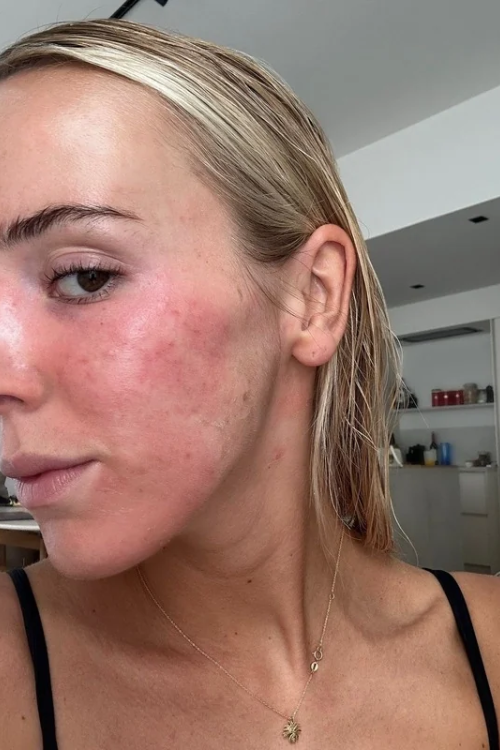
A Damaged Skin Barrier
Your skin barrier is the outermost protective layer of your skin. Think of it as a protective wall that helps retain moisture and protects your skin from external irritants.
When this barrier becomes compromised, your skin loses moisture more easily and becomes more vulnerable to irritation.
Signs of a damaged skin barrier:
- Persistent redness.
- Burning or stinging.
- Tightness and dryness.
- Increased sensitivity to skincare products.
- Flaking and roughness.
What causes it?
- Excessive exfoliation.
- Using too many active ingredients.
- Harsh cleansers.
- Overwashing your face.
- Frequent use of strong acne treatments.
How to improve it: Temporarily stop exfoliating acids and other irritating active ingredients. Use a gentle cleanser, a moisturiser containing ceramides and a broad-spectrum sunscreen.
Over-Exfoliation
Exfoliating can help remove dead skin cells and improve skin texture. However, doing it too frequently can have the opposite effect.
Using multiple exfoliating products together, such as glycolic acid, salicylic acid and strong retinoids, can increase irritation.
Signs of over-exfoliation:
- Redness and burning.
- Excessive dryness.
- Peeling and flaking.
- Skin that feels unusually sensitive.
- Stinging when applying moisturiser.
What to do: Stop exfoliating until your skin feels comfortable again. Reintroduce active ingredients gradually, one at a time.
Rosacea
Rosacea is a chronic inflammatory skin condition that commonly affects the central face, including the cheeks, nose, chin and forehead.
It can cause persistent redness, visible blood vessels, flushing and sometimes acne-like bumps.
Common triggers include:
- Sun exposure.
- Hot weather.
- Spicy foods.
- Hot drinks.
- Alcohol.
- Temperature changes.
- Certain skincare products.
Rosacea is not ordinary acne, and using aggressive acne treatments can make it worse.
What helps: Gentle skincare, daily sun protection and dermatologist-guided treatment. Prescription treatments may be needed.
Allergic or Irritant Contact Dermatitis
Sometimes, a product that you have recently introduced can cause an allergic reaction or irritation.
Fragrances, preservatives, essential oils and certain active ingredients can be potential triggers.
Common signs:
- Red patches.
- Itching.
- Burning sensations.
- Swelling.
- Dry or flaky skin.
If a product causes a reaction, discontinue it. Severe swelling, blistering or a persistent rash should be assessed by a medical professional.
Sun Exposure
Sun exposure is another major reason behind redness, uneven skin tone, pigmentation and premature skin ageing.
UV radiation can damage the skin even when the weather is cloudy.
What helps: Apply a broad-spectrum SPF 30–50 sunscreen every morning and reapply when needed, particularly during prolonged outdoor exposure.
4. What Actually Causes Acne and Frequent Breakouts?
If you are trying to figure out how to get clear skin, understanding acne is essential.
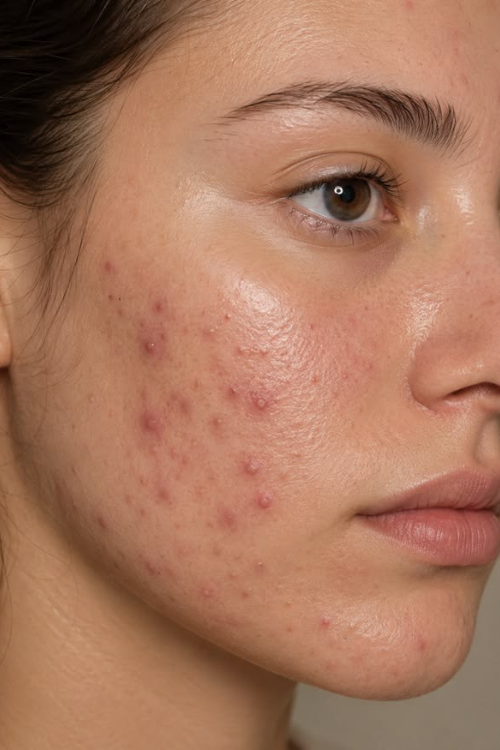
Acne develops when hair follicles become clogged with oil and dead skin cells. Bacteria and inflammation also contribute to the development of acne lesions.
Hormonal fluctuations: Changes in hormones, particularly androgens, can increase sebum production and contribute to acne.
Excess sebum: Increased oil production can contribute to clogged pores.
Dead skin cell accumulation: Dead skin cells can build up inside hair follicles and contribute to comedones.
Genetics: Your family history can influence your likelihood of developing acne.
Certain skincare and haircare products: Heavy or pore-clogging products may contribute to breakouts in some people.
Stress: Stress can influence inflammatory pathways and hormones, potentially worsening existing acne.
Lifestyle factors: Sleep, diet and other lifestyle factors can influence skin health, although acne is not simply caused by eating oily food or having poor hygiene.
The important thing to remember is that acne is a medical skin condition. If you experience painful cystic acne, scarring or persistent breakouts, professional treatment is worth considering.
5. How to Get Clear Skin: Build a Skincare Routine That Actually Works
Now that you understand your skin type, texture and common concerns, let’s get into the practical part.
You don’t need a shelf full of expensive products to achieve clear skin. What you need is a consistent skincare routine that supports your skin barrier, addresses your specific concerns and protects your skin from environmental damage.
Here is a simple morning and evening skincare routine.
Morning Skincare Routine for Clear and Glowing Skin
Step 1: Use a Gentle Facial Cleanser
Start your morning with a gentle cleanser that removes overnight oil, sweat and product residue without stripping your skin.
Look for cleansers that are:
- Fragrance-free if your skin is sensitive.
- Non-stripping.
- Suitable for your skin type.
- Free from harsh cleansing ingredients that leave your skin feeling tight.
If you have very dry or sensitive skin, rinsing with water in the morning may be sufficient.
Step 2: Apply a Vitamin C or Niacinamide Serum
This is where you can start addressing uneven skin tone, dullness and post-acne marks.
Vitamin C: An antioxidant that helps protect against environmental oxidative stress and can improve the appearance of pigmentation and dullness.
Niacinamide: Helps support the skin barrier, improve the appearance of uneven skin tone and regulate the appearance of excess oil.
You don’t need both. Choose one based on your skin’s needs and tolerance.
If you have sensitive skin, start with a lower concentration and introduce it gradually.
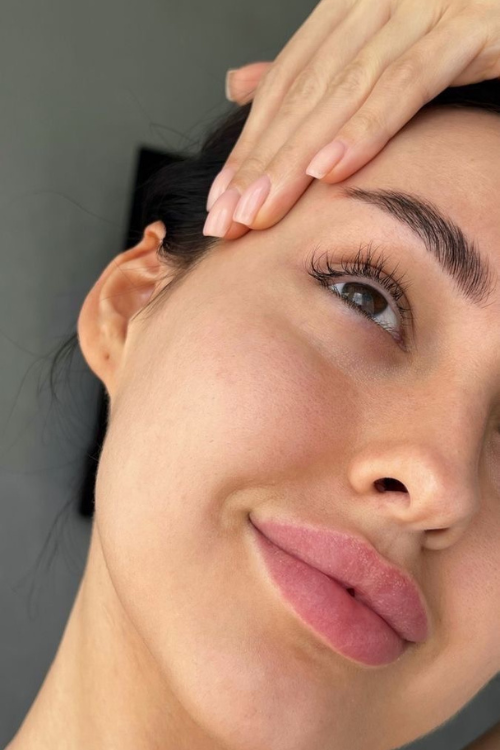
Step 3: Apply a Hydrating Moisturiser
Moisturiser is non-negotiable, regardless of your skin type.
It helps reduce water loss, supports the skin barrier and keeps your skin comfortable.
Look for these ingredients:
- Ceramides: Help support the skin barrier.
- Hyaluronic acid: Helps attract and retain water.
- Glycerin: A powerful humectant that draws moisture into the skin.
- Squalane: Helps soften and moisturise the skin.
- Panthenol: Helps soothe and hydrate.
Choose a lightweight lotion for oily skin and a richer cream for dry skin.
Step 4: Never Skip Sunscreen
If there is one skincare product you should never compromise on, it is sunscreen.
Sun exposure can worsen pigmentation, increase visible signs of ageing and interfere with your efforts to achieve an even complexion.
Choose a broad-spectrum SPF 30–50 sunscreen that offers UVA and UVB protection.
Apply it generously to your face, neck and other exposed areas. Reapply approximately every two hours when outdoors, and after swimming or sweating.
Night Skincare Routine for Clear Skin
Your evening routine is the perfect time to remove the day’s buildup and introduce targeted treatments.
Step 1: Remove Makeup and Sunscreen
If you wear makeup or water-resistant sunscreen, start with an oil cleanser or cleansing balm.
Massage it gently over dry skin, emulsify with water and rinse.
Follow with a gentle water-based cleanser if needed.
This double-cleansing method can help remove makeup, sunscreen and excess oil without relying on harsh scrubbing.
Step 2: Use a Targeted Treatment
This is where you should customise your routine based on your biggest skin concern.
For acne and clogged pores: Salicylic Acid
Salicylic acid is a beta-hydroxy acid (BHA) that can penetrate into oily pores and help remove accumulated dead skin cells.
It is particularly useful for:
- Blackheads.
- Whiteheads.
- Oily skin.
- Clogged pores.
- Mild acne.
Start with a low-strength product two or three nights a week, depending on the formulation and your tolerance. Increase only if your skin responds well.
For redness and post-acne marks: Azelaic Acid
Azelaic acid is a particularly useful ingredient for people dealing with acne, uneven skin tone and certain types of redness.
It can help:
- Reduce acne-related inflammation.
- Improve the appearance of post-acne pigmentation.
- Treat certain forms of acne.
- Improve uneven skin tone.
It is also used in dermatologist-guided treatment plans for rosacea.
For fine lines and uneven texture: Retinoids
Retinoids are vitamin A derivatives that influence skin cell turnover and collagen-related processes.
They can help improve:
- Acne.
- Uneven skin texture.
- Fine lines.
- Certain types of pigmentation.
- Signs of photoageing.
Start slowly, perhaps two nights a week, using a pea-sized amount for the entire face with a moisturiser.
Avoid combining several strong actives when starting a retinoid.
Important: Topical retinoids should be avoided during pregnancy or when trying to conceive. If breastfeeding, consult your healthcare professional before using them.
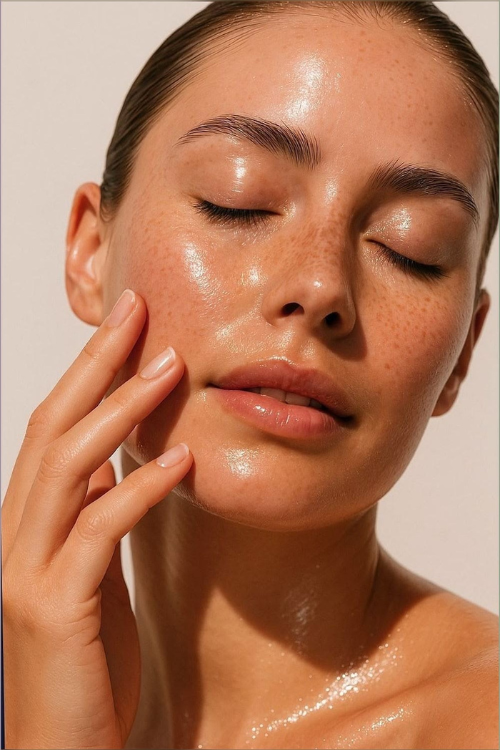
Step 3: Apply a Barrier-Supporting Moisturiser
Finish your routine with a moisturiser that helps prevent moisture loss and supports your skin barrier.
If you are experiencing redness, dryness or irritation, choose a simple formula with ceramides, glycerin and panthenol.
If your skin is irritated, skip your active treatment and focus on hydration and barrier repair instead.
6. Best Skincare Ingredients for Clear, Smooth and Healthy Skin
Instead of buying products because they’re trending, understand what their ingredients actually do.
Here is a quick guide to ingredients worth knowing.
| Ingredient | Best for | Main benefit |
|---|---|---|
| Niacinamide | Oily and uneven skin | Supports barrier and improves appearance of tone |
| Salicylic acid | Acne and clogged pores | Helps exfoliate inside pores |
| Azelaic acid | Acne, redness and marks | Helps reduce inflammation and pigmentation |
| Vitamin C | Dullness and pigmentation | Antioxidant protection |
| Hyaluronic acid | Dehydration | Attracts water |
| Ceramides | Dry and sensitive skin | Supports skin barrier |
| Glycolic acid | Rough texture | Exfoliates the skin surface |
| Lactic acid | Dry, rough skin | Gentle surface exfoliation |
| Retinoids | Acne and fine lines | Supports cell turnover and collagen-related processes |
| Panthenol | Irritated skin | Helps soothe and hydrate |
A little reminder: More active ingredients don’t mean better results. A simple routine that your skin tolerates consistently is much more useful than an aggressive routine that leaves your face irritated.
7. How to Get Clear Skin Naturally: Lifestyle Habits That Make a Difference
Skincare products are only one part of the equation. Your everyday habits can also influence your skin health.
Here are a few habits worth incorporating.
Stay Hydrated
Drinking enough water supports normal body functions and helps prevent dehydration.
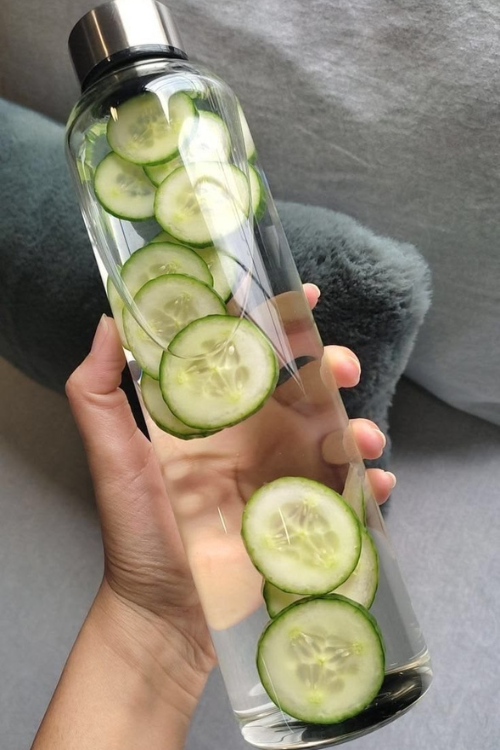
However, drinking excessive amounts of water won’t automatically remove acne or give you flawless skin. Focus on staying adequately hydrated rather than following unrealistic water challenges.
Eat a Balanced Diet
A balanced diet provides nutrients that support normal skin function.
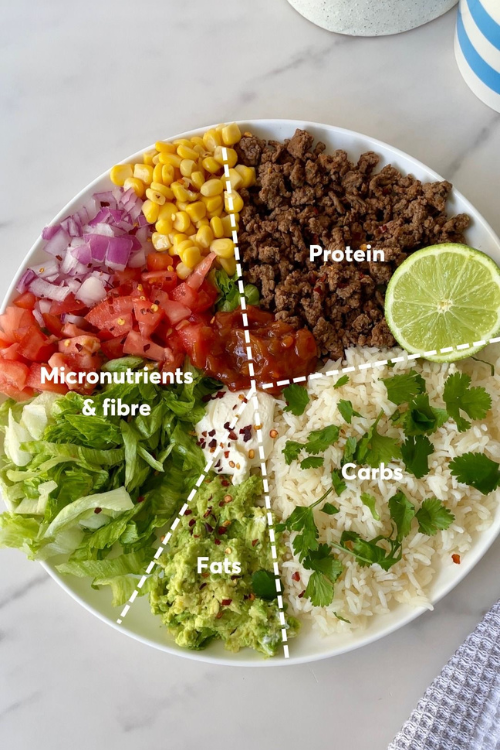
Include:
- Fruits rich in antioxidants.
- Vegetables and leafy greens.
- Nuts and seeds.
- Protein-rich foods.
- Healthy fats.
- Whole grains.
Some research suggests that high-glycemic diets and certain dairy products may worsen acne in some individuals. However, food triggers vary, and restrictive diets aren’t necessary for everyone.
Prioritise Sleep
Your skin undergoes important repair and maintenance processes while you sleep.
Aim for approximately seven to nine hours of quality sleep each night.
A consistent sleeping schedule can also help support overall health and stress regulation.
Manage Stress
Stress doesn’t directly cause every breakout, but it can worsen existing acne in some people.
Try incorporating activities that help you relax, such as walking, yoga, meditation, journaling or simply spending time outdoors.
Change Your Pillowcase Regularly
Your pillowcase collects oil, sweat, hair products and dead skin cells.
Changing it regularly is a simple hygiene habit, although it isn’t a guaranteed acne treatment.
Avoid Touching and Picking Your Face
Picking at pimples can worsen inflammation, increase the risk of infection and contribute to post-acne marks and scarring.
Let your skincare treatment do its job instead of constantly touching your face.
8. Common Skincare Mistakes That Are Preventing You From Getting Clear Skin
Sometimes, the reason your skin isn’t improving is not because you’re missing another serum. It’s because you’re making a few common skincare mistakes.
Here are some habits to avoid.
1. Using too many active ingredients: Combining multiple exfoliants, retinoids and acne treatments can irritate your skin and compromise your skin barrier.
2. Skipping moisturiser: Even oily and acne-prone skin needs hydration.
3. Changing products too frequently: Most skincare treatments require consistent use. Constantly switching products makes it difficult to understand what works.
4. Overwashing your face: Cleansing too frequently can strip your skin and increase irritation.
5. Skipping sunscreen: Sun exposure can worsen pigmentation and compromise your progress.
6. Using DIY lemon juice remedies: Lemon juice can irritate your skin and increase sensitivity to sunlight. It isn’t a safe skin-brightening treatment.
7. Scrubbing acne-prone skin: Physical scrubs can aggravate inflamed acne and sensitive skin.
8. Expecting overnight results: Healthy skin takes consistency. Most acne treatments need several weeks to show meaningful improvement, and pigmentation can take considerably longer.
9. How Long Does It Take to Get Clear Skin?
One of the biggest skincare misconceptions is that you should see dramatic results within a week.
In reality, the timeline depends on your skin concern, the treatment you use and how consistently you follow your routine.
Here is a general guide:
| Skin concern | Approximate timeline |
|---|---|
| Dehydration | Days to a few weeks |
| Dryness and roughness | 1–4 weeks |
| Mild acne | 6–12 weeks |
| Clogged pores | 6–12 weeks |
| Post-acne pigmentation | Several weeks to months |
| Uneven texture | Several weeks to months |
| Acne scarring | Often requires professional treatment |
These are estimates, not guarantees. Some conditions require prescription treatment, and results vary from person to person.
The key is to give your routine enough time to work without constantly introducing new products.
10. A Simple 30-Day Plan to Start Your Clear Skin Journey
If you’re feeling overwhelmed by all the ingredients and products, don’t worry. You don’t have to change everything at once.
Here’s a simple way to build your skincare routine gradually.
Week 1: Focus on Your Skin Barrier
- Use a gentle cleanser.
- Apply a moisturiser morning and night.
- Wear sunscreen every morning.
- Stop unnecessary exfoliation.
- Observe how your skin responds.
Week 2: Introduce One Targeted Ingredient
Choose one treatment based on your biggest concern.
For example:
- Salicylic acid for clogged pores.
- Azelaic acid for acne and uneven tone.
- Niacinamide for oiliness and barrier support.
Introduce it slowly and follow the product instructions.
Week 3: Maintain Consistency
Continue your routine without adding multiple new products.
Monitor dryness, redness, irritation and breakouts.
If your skin is becoming irritated, reduce or stop the treatment.
Week 4: Evaluate Your Skin
Look for small improvements:
- Is your skin feeling less tight?
- Has excess oil become easier to manage?
- Is your skin texture improving?
- Are new breakouts becoming less frequent?
- Does your skin feel more comfortable?
Remember, 30 days is a starting point, not a deadline for flawless skin.
Frequently Asked Questions About Getting Clear Skin
1. How can I get clear skin naturally?
To support clear, healthy-looking skin, follow a consistent skincare routine, eat a balanced diet, stay hydrated, sleep well and protect your skin from the sun. Use gentle products suitable for your skin type and avoid picking at acne.
2. How can I get clear skin in 7 days?
You may notice improvements in hydration, dryness and skin comfort within a week. However, acne, pigmentation and uneven texture usually take much longer to improve. Avoid aggressive treatments or attempting to clear your skin overnight.
3. What is the best skincare routine for clear skin?
A basic routine includes a gentle cleanser, moisturiser and broad-spectrum sunscreen in the morning. At night, cleanse your face, use a targeted treatment suitable for your skin concern and finish with moisturiser.
4. Which ingredient is best for clear skin?
There isn’t one universal best ingredient. Salicylic acid can help with clogged pores and acne, azelaic acid can help with acne and uneven pigmentation, and niacinamide supports the skin barrier and improves the appearance of uneven skin tone.
5. How do I get rid of redness on my face?
Facial redness can have several causes, including irritation, a compromised skin barrier, rosacea and allergic reactions. Start with gentle, fragrance-free skincare, moisturise regularly and use sunscreen. Persistent or unexplained redness should be assessed by a dermatologist.
6. How can I improve my skin texture?
To improve uneven skin texture, maintain a consistent moisturising routine, use sunscreen and consider ingredients such as salicylic acid, lactic acid or retinoids depending on your skin concern and tolerance. Introduce one active ingredient at a time.
7. Can drinking water make your skin clear?
Drinking enough water supports normal hydration and overall health. However, water alone cannot treat acne, pigmentation or enlarged pores. A suitable skincare routine and appropriate treatment are more effective ways to address these concerns.
8. Does moisturiser cause acne?
Not necessarily. The right moisturiser can help maintain your skin barrier without causing breakouts. If you have acne-prone skin, choose a lightweight, non-comedogenic formula that suits your skin.
9. How often should I exfoliate my face?
It depends on the exfoliating ingredient, its strength and your skin’s tolerance. Start slowly, follow product instructions and avoid combining multiple strong exfoliants. If your skin becomes irritated, stop exfoliating until it recovers.
10. Is it possible to have clear skin with visible pores?
Absolutely! Pores are a natural part of healthy skin. Clear skin doesn’t mean poreless skin. The goal should be a healthy, balanced complexion rather than completely eliminating your pores.
related articles to how to get clear skin
- Dr. Althea 345 Relief Cream: The K-Beauty Skincare Range Your Skin Barrier Might Be Begging For
- The Anua Skincare Routine You’ll Wish You Knew Sooner: Exactly What to Use Morning & Night
- The BYOMA Skincare Routine Everyone Is Suddenly Trying — But Are You Using It in the Right Order?
- The Ordinary Skincare Routine for Dry, Acne-Prone Skin: The Complete Beginner’s Guide
- The Ordinary Skincare Routine for Hyperpigmentation: The Only Guide You Need for Brighter, Even-Toned Skin